Soil pH Adjustment for Blueberries and Raspberries
Blueberries and raspberries are among the most sought-after fruit crops for home gardeners and commercial growers alike. Their cultivation, however, presents a unique challenge: both plants demand a soil pH that is considerably more acidic than what is typical for many other garden crops. While the optimal pH range for most vegetables hovers around 6.0 to 7.0, blueberries and raspberries thrive in a more acidic environment, usually between 4.5 and 5.5. Achieving and maintaining this specific pH level is not a one-time task but an ongoing process that requires careful planning, regular monitoring, and the application of appropriate amendments. This article provides a comprehensive overview of the principles and methods involved in adjusting soil pH to meet the needs of these acid-loving plants.
Understanding why these plants require acidic conditions is fundamental to successful cultivation. Soil pH affects the availability of essential nutrients. In alkaline or neutral soils, iron and manganese, which are crucial for the health of blueberries and raspberries, become less soluble and thus less accessible to the plants’ roots. This leads to interveinal chlorosis, a condition characterized by yellowing leaves with green veins, and overall poor growth. By maintaining the soil in an acidic range, gardeners can ensure that these nutrients remain in forms that are readily absorbed, thereby supporting robust development and optimal fruit production. Additionally, the root systems of these plants are fine and fibrous, and they function best in well-aerated, acidic soils that are rich in organic matter. Thus, soil pH management is not merely a chemical adjustment but a fundamental aspect of creating a favorable growing environment.
Before any adjustments are made, it is essential to conduct a thorough soil test. A soil test provides a baseline reading of the current pH and also offers insights into soil texture, organic matter content, and nutrient levels. Testing can be done through local cooperative extension services or with reliable home testing kits. For those aiming for a long-term cultivation plan, professional soil analysis is recommended as it provides detailed recommendations tailored to the specific crop and soil conditions. When taking soil samples, it is crucial to collect from multiple locations within the planting area, as pH can vary significantly over short distances. Samples should be taken from the root zone, typically at a depth of 6 to 8 inches, and mixed together to obtain a composite sample. In addition to initial testing, periodic testing every one to two years helps in monitoring the effectiveness of the amendments and in detecting any gradual shifts in pH.
Understanding the Target pH Range
The target pH range for blueberries and raspberries is predominantly between 4.5 and 5.5, though slight variations exist between the two crops. Blueberries, being more sensitive, generally prefer a pH around 4.5 to 5.0, while raspberries can tolerate a slightly higher range of 5.5 to 6.0. However, both crops exhibit suboptimal growth and nutrient deficiencies if the pH rises above 5.5. It is important to note that these ranges are not arbitrary but are based on the physiological and chemical requirements of the plants. In acidic soils, the availability of key nutrients like nitrogen, phosphorus, potassium, and especially micronutrients such as iron, manganese, and zinc is maximized. Furthermore, an acidic pH helps to suppress certain soil-borne diseases that are prevalent in neutral or alkaline soils, thereby contributing to overall plant health.
It is also essential to consider the soil’s buffering capacity, which refers to its resistance to pH changes. Soils high in clay or organic matter tend to resist pH changes more than sandy soils. Therefore, the amount of amendment required to lower pH is not solely determined by the current pH but also by the soil’s texture and organic matter content. A sandy soil with a pH of 6.5 may require less sulfur to reach the desired pH than a clay soil with the same pH. Similarly, soils with high levels of calcium carbonate, such as those derived from limestone, are naturally alkaline and can be extremely difficult to acidify. In such cases, alternative strategies may be necessary, including raised beds filled with acidified soil or container gardening using appropriate potting mixes.
To accurately determine the amount of amendment needed, gardeners should refer to soil test recommendations or consult agricultural extension guidelines. These guidelines typically provide tables indicating the pounds of elemental sulfur or other acidifying agents required to lower pH by a certain amount for different soil types. For example, to lower pH from 6.5 to 5.5 in a sandy loam soil, one might need to incorporate approximately 1.5 pounds of elemental sulfur per 100 square feet. However, such numbers are estimates, and adjustments based on soil texture are often necessary. Consequently, a conservative approach is advisable: applying less than the full recommendation initially and retesting after a few months allows for fine-tuning and prevents over-acidification, which can be as detrimental as under-acidification.
Methods for Lowering Soil pH
Several amendments can effectively lower soil pH, each with its own characteristics and application methods. Elemental sulfur is the most commonly used and cost-effective acidifying agent. Soil bacteria gradually convert elemental sulfur to sulfuric acid, which reacts with the soil to lower pH. This biological process is temperature and moisture dependent, meaning it takes time to see results—often several months. Therefore, it is recommended to incorporate sulfur well in advance of planting, ideally six months to a year before. Sulfur can be tilled into the top 6 to 8 inches of soil or applied to the surface and watered in for established plants, though surface applications are slower to act.
Another option is iron sulfate, which also lowers pH but acts more rapidly because it reacts chemically with the soil rather than relying on biological processes. However, iron sulfate is required in larger quantities than sulfur to achieve the same pH reduction, as it has a lower acidity equivalence. It also provides iron to the soil, which can be beneficial for these plants. The application rates for iron sulfate are typically about six times that of elemental sulfur. For example, if 1 pound of sulfur is recommended per 100 square feet, about 6 pounds of iron sulfate would be needed. Similar to sulfur, iron sulfate should be applied in advance of planting and incorporated into the soil.
Ammonium sulfate, a nitrogen fertilizer, is also acidic and can be used to lower pH over time with regular applications. However, it supplies nitrogen, which can stimulate vegetative growth and may require careful management to avoid excessive growth or nutrient imbalances. Therefore, it is often used in combination with other amendments or for maintaining pH after initial adjustment. Another practice involves incorporating organic materials such as pine bark, peat moss, or composted leaves that have an acidic effect. These materials improve soil structure, aeration, and nutrient retention while gradually lowering pH. This approach is especially beneficial for creating an optimal root environment for blueberries and raspberries, as they prefer well-drained, organic-rich soils. For example, mixing peat moss into planting holes at the time of planting provides long-term acidification and moisture retention benefits.
It is important to emphasize that the choice of amendment should be based on soil test results and the speed of adjustment required. Elemental sulfur is cost-effective but slow, while iron sulfate acts faster but requires larger quantities. Organic matter offers ancillary benefits but is less predictable in its pH effect. Gardeners often use a combination of these methods to achieve and maintain the desired pH.
Adjusting Soil pH Before Planting
The ideal time to adjust soil pH is well before planting, as this allows amendments to react and the soil to stabilize. Ideally, soil preparation should begin a season in advance, such as in the fall for a spring planting, to allow sulfur or other amendments to fully incorporate and take effect. This proactive approach avoids the risk of planting into soil that is temporarily off-target, which can stress young plants and compromise their establishment.
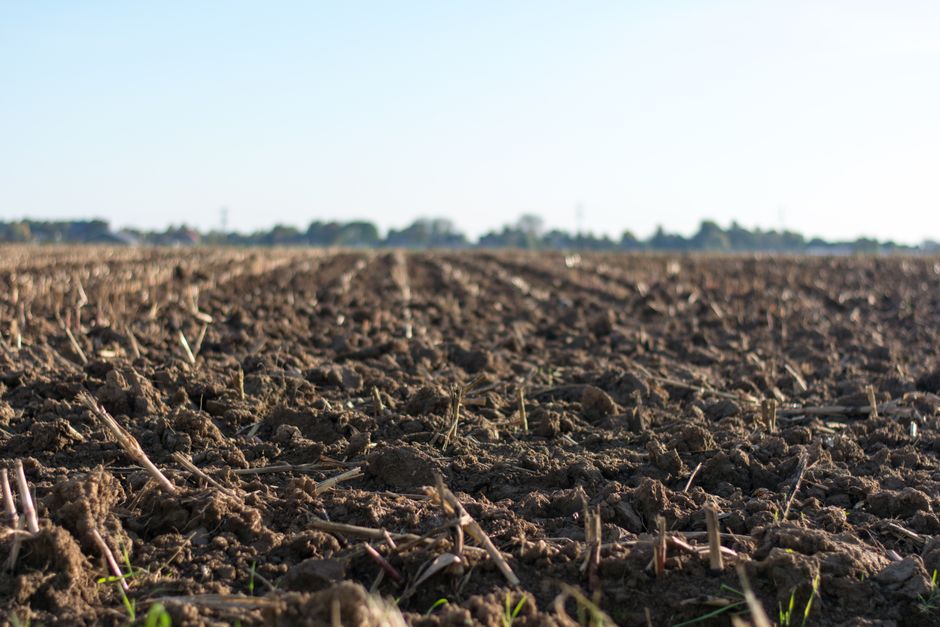
When applying amendments, careful attention must be paid to uniformity. For open ground, spread the recommended amount of sulfur or other amendment evenly over the planting area. Then till it into the soil to a depth that corresponds to the root zone, which for blueberries and raspberries is typically the top 8 to 10 inches. Tilling ensures that the amendment is well distributed and comes into contact with soil particles, facilitating its reaction. For planting in raised beds or containers, the process is simpler: the soil mix can be amended thoroughly before filling the bed or container. A commonly used soil mix for these acid-loving plants includes a blend of sandy loam, peat moss, and pine bark, which naturally provides acidity and good drainage.
After applying the initial amendments, it is crucial to retest the soil pH to ensure that the desired target has been reached. This is especially important for blueberries, which are sensitive to pH extremes. If the pH is still too high, additional amendments can be applied, but this should be done gradually with monitoring to avoid over-acidification. Conversely, if the pH has dropped too low (below 4.5), this can also cause problems by making other nutrients less available. In such cases, the pH can be raised with lime, but that is a separate issue. The goal is to hit the target pH range accurately to provide an optimal growing environment.
Maintaining Acidic Soil Conditions Over Time
Once the soil pH is within the desired range, ongoing maintenance is necessary to keep it there. Over time, factors such as irrigation water quality, natural weathering, and the breakdown of organic matter can cause soil pH to drift upward toward more neutral levels. Therefore, it is recommended to monitor pH periodically—every one to two years—and make supplemental adjustments as needed.
To maintain an acidic environment, a common practice is to apply acidifying fertilizers or organic mulches on a regular basis. For example, using ammonium sulfate as a nitrogen source instead of calcium nitrate not only supplies nitrogen but also helps to keep soil pH lower. Similarly, mulching with pine needles, oak leaves, or other acidic organic materials can slowly reduce and stabilize pH over time as they decompose. Maintaining a layer of organic mulch around the plants also helps conserve moisture, suppress weeds, and moderate soil temperature, which is beneficial for root health.
Another important factor is the water used for irrigation. In many regions, particularly in the western United States, tap water can be alkaline due to dissolved minerals. Over time, regular irrigation with such water can neutralize soil acidity. Gardeners addressing this issue might consider using rainwater collection systems or treating irrigation water with vinegar or other mild acids. However, this must be done carefully to avoid sudden pH swings that could harm plants. A simpler approach is to incorporate periodic applications of sulfur or iron sulfate into the maintenance schedule.
It is also essential to consider the specific requirements of blueberries and raspberries in the context of soil nutrition. Besides pH, these plants have relatively high requirements for organic matter and moderate fertility. Blueberries, in particular, have roots that are very sensitive to drought and high salt concentrations, so maintaining an even moisture level and avoiding over-fertilization is crucial. Raspberries are somewhat less demanding but still respond well to rich, acidic soil. Therefore, a comprehensive soil management plan that includes periodic testing, appropriate amendments, and careful irrigation will support the long-term health and productivity of these plants. It is always prudent to consult local agricultural extension services or horticultural specialists for recommendations tailored to specific regional conditions, as soil types and climate can significantly influence the approach.
In summary, adjusting and maintaining soil pH in the acidic range is a foundational aspect of cultivating blueberries and raspberries. It begins with a thorough soil test, continues through the careful selection and application of amendments, and requires ongoing monitoring and adjustments. While the process can be time-consuming, it is a necessary investment for the success of these valuable fruit crops. By following these methodological steps, growers can create an environment conducive to healthy root development and nutrient uptake, thereby supporting the potential for a bountiful harvest.