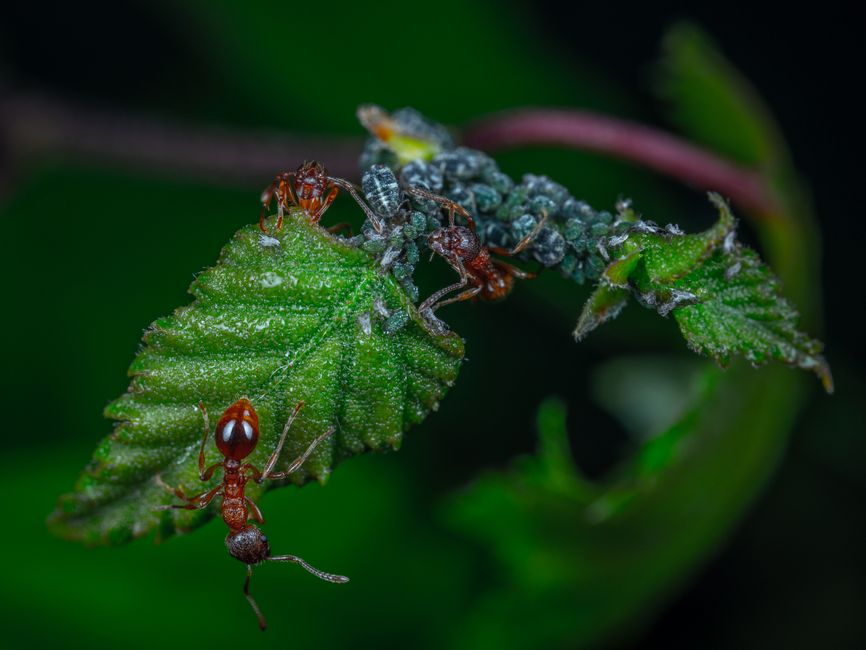
Managing Aphids on Roses and Shrubs
Aphids are among the most common pests encountered on ornamental plants, particularly on roses and shrubs. These small, soft-bodied insects feed by piercing plant tissues and extracting sap, which can lead to distorted growth, yellowing leaves, and the development of sooty mold due to honeydew secretions. While aphid populations can multiply rapidly, their management does not necessarily require aggressive chemical intervention. Understanding their biology and implementing a range of eco-friendly techniques can help maintain healthy plants while minimizing environmental impact.
Approaches to aphid management vary from cultural practices and biological controls to the targeted use of low-impact products. The goal is not to achieve a perfectly pest-free landscape but to keep aphid numbers below levels that cause significant damage. By observing plant health, encouraging natural predators, and intervening with selective methods only when necessary, gardeners can support resilient ornamental plantings.
Understanding Aphid Infestations on Ornamentals
To manage aphids effectively, it is helpful to recognize their life cycle and the factors that contribute to outbreaks. Aphids reproduce rapidly, with females giving birth to live young without mating during the growing season. This allows populations to explode under favorable conditions, such as mild temperatures and abundant tender new growth. Roses and many shrubs, with their succulent shoots and buds, are particularly attractive to aphids.
Infestations often begin on the undersides of leaves and at the tips of stems. As they feed, aphids extract nutrients and moisture, causing leaves to curl, pucker, or yellow. They also excrete a sugary substance called honeydew, which can attract ants and promote the growth of black sooty mold. While heavy infestations can stunt growth and reduce flowering, moderate infestations may cause only cosmetic damage, especially on established plants. Monitoring plants regularly, particularly in spring and early summer, allows for early detection and intervention before populations soar.
It is also useful to examine environmental conditions that may stress plants. Aphids are more likely to thrive on plants that are over-fertilized, especially with high-nitrogen fertilizers that promote lush, soft growth. Conversely, plants under drought stress may become more susceptible. Implementing balanced cultural care—such as proper watering, mulching, and appropriate pruning—can help maintain plant vigor and reduce aphid attractiveness.
Eco-Friendly Control Methods
Biological Controls: Encouraging Natural Enemies
Biological control is a cornerstone of sustainable aphid management. Many beneficial insects feed on aphids, including lady beetles, lacewings, and parasitic wasps. By fostering an environment that supports these natural enemies, gardeners can reduce aphid populations effectively. Planting a diversity of flowering species, such as daisies, marigolds, and herbs, provides nectar and pollen for adult beneficial insects, while avoiding broad-spectrum pesticides preserves their populations.
Lady beetles, both adults and larvae, are voracious consumers of aphids. Lacewing larvae, often called aphid lions, also consume large numbers of aphids. Parasitic wasps lay eggs inside aphids, and the developing larvae eventually kill the aphids, leaving behind bloated, mummified bodies. These natural controls can cap aphid numbers if they are allowed to establish.
In some cases, purchasing and releasing beneficial insects may be considered, but their effectiveness depends on the presence of adequate prey and suitable habitat. Native predators are often more adapted to local conditions. Providing permanent plantings that support beneficial insects is a proactive approach to aphid management.
Cultural Practices: Physical and Mechanical Measures
Simple, non-chemical measures can be surprisingly effective for managing aphids on roses and shrubs. A strong jet of water from a garden hose can dislodge aphids from plants, reducing their numbers quickly. This method is most effective when applied in the morning, allowing plants to dry during the day to minimize the risk of fungal diseases. It may need to be repeated every few days, as aphids can return from nearby plants.
Pruning infested tips and leaves is another manual control. Aphids often cluster on new growth, so removing and destroying heavily infested shoots can reduce their numbers. It is important to prune selectively and not to over-prune, as this can stress the plant. Discarding pruned material away from the garden prevents re-infestation.
Using reflective mulches, such as aluminum-faced plastic, has been shown to repel aphids visually, though it may be more applicable in vegetable gardens. For ornamental borders, hand removal of aphids with a cloth or brush is also possible for small infestations. These physical methods are labor-intensive but can be part of an integrated approach.
Horticultural Oils and Soaps
When biocontrol and cultural methods are insufficient, low-toxicity options such as horticultural oils and insecticidal soaps can be used. These products work through contact, suffocating or disrupting the cell membranes of aphids. Neem oil, derived from the neem tree, acts as an antifeedant and growth regulator. These materials are effective on contact and break down quickly in the environment, reducing their impact on beneficial insects.
Application requires thorough coverage of the affected plant parts, especially the undersides of leaves. It is essential to follow label instructions and apply during periods when temperatures are moderate. Insecticidal soaps should not be applied during the heat of the day or when plants are water-stressed. Oils may harm some plants, so testing on a small area first is advisable. Because these products are contact-based and have little residual activity, repeated applications may be necessary depending on aphid pressure.
It is also important to note that while these methods can reduce aphid populations, they do not eliminate them entirely. Their use is intended to complement biological and cultural strategies, not to replace them. As with all pesticide products, careful timing and application are key to maximizing efficacy and minimizing unintended effects.
Monitoring and Timing: The Key to Successful Aphid Management
No single technique is a cure-all for aphids. Effective management relies on regular monitoring and careful timing. Early season inspections, when aphids first appear, are critical. By taking action when colonies are small, gardeners can prevent the need for more drastic measures later. At the same time, it is essential to avoid unnecessary interventions that might harm beneficial insects or destabilize the ecosystem.
Monitoring should include checking the undersides of leaves and the tips of new growth. Aphid numbers can change quickly, so weekly checks during peak growing periods are recommended. Keep records of aphid presence and the effectiveness of any interventions, as this helps refine future management strategies.
Sanitation practices, such as removing weed hosts and disposing of infested plant debris, can reduce overwintering sites for aphids. In many regions, aphids have multiple generations per year, so ongoing vigilance is necessary.
The timing of predatory insect activity also matters. Natural enemies may appear slightly later than the initial aphid surge, so patience is sometimes required before intervening. If predator numbers appear sufficient to control the infestation, it may be best to delay intervention, allowing beneficial insects to do their work.
An Integrated Approach for Healthy Ornamentals
Managing aphids on roses and shrubs is best approached as part of an overall plant health care program. Integrated pest management (IPM) incorporates cultural, biological, and chemical tools as needed. The foundation of IPM is plant health: healthy plants are better able to tolerate aphid feeding and recover from damage. Therefore, providing optimal growing conditions—appropriate sunlight, water, and soil fertility—is fundamental.
In addition to cultural care, promoting biodiversity in the garden supports a balance of beneficial insects and other natural enemies. Avoiding broad-spectrum pesticides, even those labeled organic, can conserve these populations. Selective use of low-impact products, based on monitoring data, can provide effective control when biological methods are insufficient.
For gardeners seeking guidance, resources from local extension services or botanical gardens can offer region-specific advice. Consulting with garden professionals, such as those at GreenSprout Advisors, can also be helpful in developing a customized management plan. An integrated approach recognizes that aphid management is not about achieving absolute elimination but about maintaining a healthy balance in the garden ecosystem.
Regular monitoring, combined with a toolbox of eco-friendly techniques, allows gardeners to respond to aphid outbreaks with precision and restraint, fostering plant health while minimizing environmental disruption.
In summary, managing aphids on roses and shrubs involves understanding the pest’s biology, supporting natural predators, deploying physical methods, and using low-impact products judiciously. By integrating these practices, gardeners can keep aphid populations under control and promote the long-term vitality of their ornamental plantings.