Drip Irrigation Systems for Water Savings
Drip irrigation systems offer a precise method for delivering water directly to plant roots, presenting a significant opportunity for water conservation in agricultural and residential landscapes. This article provides an informational overview of drip irrigation, exploring its components, installation processes, and maintenance practices. By understanding the principles behind this watering approach, individuals and organizations can make informed decisions about implementing water-efficient strategies.
The core principle of drip irrigation lies in its slow, targeted application of water, which minimizes losses due to evaporation and runoff. Unlike conventional overhead sprinklers, drip systems release water at a controlled rate near the base of plants, ensuring that moisture reaches the root zone efficiently. This method not only conserves water but also contributes to healthier plant growth by reducing stress and disease incidence. While outcomes depend on site-specific conditions and proper management, the methodology offers a sustainable approach to irrigation.
Understanding Drip Irrigation: Components and Benefits
A typical drip irrigation system comprises several key components that work together to deliver water efficiently. At the heart of the system is a mainline, often made of PVC or polyethylene, which transports water from a source. Emitters, or drippers, are attached to lateral lines and regulate water flow, releasing it drop by drop. Filters and pressure regulators are essential to prevent clogging and ensure uniform water distribution. Additionally, backflow prevention devices protect the water supply from contamination.
The benefits of drip irrigation extend beyond water savings. By delivering water directly to the root zone, these systems can help mitigate weed growth because only the target areas receive moisture. Furthermore, reduced leaf wetness lowers the risk of fungal diseases. Because drip irrigation can operate at lower pressures than other systems, it often requires less energy, making it a cost-effective choice for many users. However, it is important to note that the effectiveness of a drip irrigation system depends on factors such as soil type, plant species, and climatic conditions, and outcomes vary.
Planning Your Drip Irrigation Installation
Successful installation of a drip irrigation system begins with thorough planning. First, assess the area to be irrigated, considering the types of plants, their water needs, and the layout of the landscape. Determine the water source and the available water pressure. According to industry standards, typical residential water pressure ranges from 30 to 50 psi, but drip irrigation systems operate efficiently at lower pressures, often requiring a pressure regulator.
Next, design the layout of the system. This involves mapping out the mainline and lateral lines, selecting appropriate emitter flow rates, and calculating the total water demand. Tools such as a digital moisture meter or a soil analysis can guide decisions about placement. It is advisable to create a detailed diagram, marking the location of each component. Once the plan is ready, gather the necessary materials, ensuring that all parts are compatible. The installation process involves laying the mainline, connecting laterals, and attaching emitters, followed by flushing the system to remove debris.
Key Steps in Installing Drip Irrigation
Begin installation by connecting the system to the water source, incorporating a backflow preventer, filter, and pressure regulator in sequence. This arrangement helps maintain water quality and system integrity. After connecting the mainline, lay it along the intended path, using stakes or connectors to secure it. Then, install the lateral lines, which will carry water to individual plants. Emitters can be either inline or punched into the tubing, depending on water requirements.
When positioning emitters, ensure they are placed near the drip line of the plants. For row crops, multi-outlet emitters may be used to distribute water uniformly. After assembly, turn on the water gradually and check for leaks. Adjust emitter flow if needed to ensure even distribution. Finally, consider installing a timer or controller to automate watering, which can improve consistency and reduce manual effort. While specific results depend on site conditions, a methodical installation process sets the foundation for efficient operation.
Maintenance Practices for Long-Term Efficiency
Regular maintenance is vital for preserving the performance of a drip irrigation system. Over time, emitters can become clogged with mineral deposits or biofilm, reducing flow rates. Inspecting and flushing the system periodically helps prevent blockages. Filters should be cleaned or replaced according to manufacturer recommendations, typically every few weeks during peak season.
Check for leaks or damage in the lines, especially after gardening activities or seasonal changes. Exposed tubing can degrade from sunlight, so protect it with mulch or bury it slightly. At the end of a growing season, systems in cold climates may require winterization, which involves draining water and storing removable components. By adhering to a maintenance schedule, system longevity and water efficiency are more likely to be sustained. As with any system, performance is influence by environmental factors, and regular observations help in making necessary adjustments.
Water Conservation and Plant Growth: Practical Considerations
Implementing drip irrigation is often associated with decreased water usage compared to traditional methods. Studies have shown that drip systems can reduce water consumption by 30 to 50 percent in certain contexts, though these figures vary. The precise application of water reduces runoff and evaporation, making it an environmentally conscious choice. Moreover, consistent soil moisture levels can support healthier plant root development, leading to improved growth over time.
However, achieving these benefits requires careful system design and ongoing attention. For instance, soil type influences how quickly water percolates, and over-irrigation can still occur. Using soil moisture sensors can provide data to refine watering schedules. Additionally, drip irrigation is not suitable for all plant types, as some plants benefit from overhead watering. Therefore, it is important to evaluate specific needs. GreenSprout Advisors emphasizes that drip irrigation is a tool, and its success depends on integration with other horticultural practices.
As sustainable landscaping gains popularity, the role of efficient irrigation methods becomes increasingly relevant. Drip irrigation represents one approach among many to address water scarcity, and its implementation should be based on informed assessment.
Adapting Drip Irrigation to Different Settings
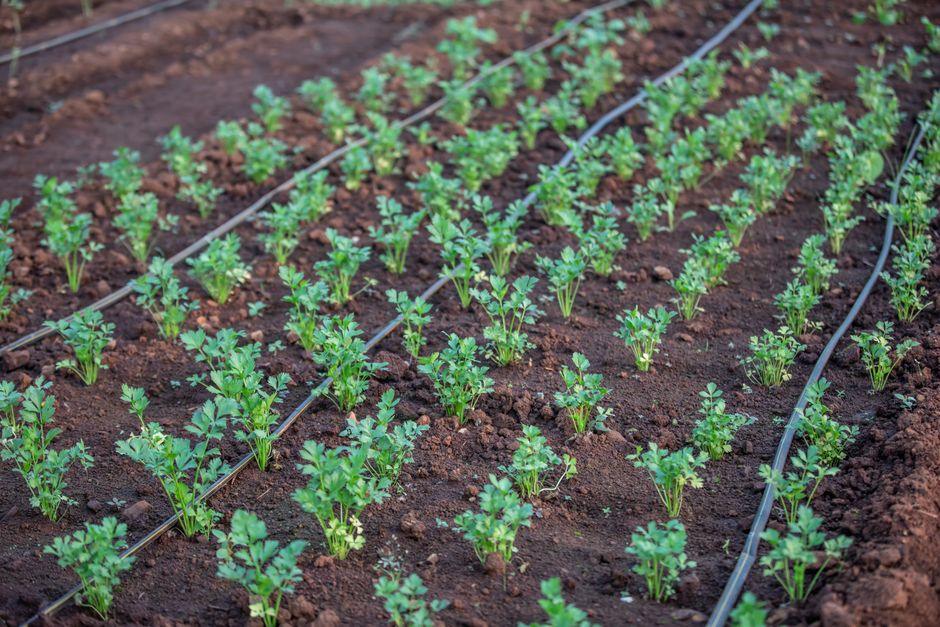
Drip irrigation systems are versatile, finding applications in vegetable gardens, orchards, vineyards, and even residential landscaping. For row crops, a drip line laid along the planting row delivers water directly to the seeds or young plants. In orchards, emitters can be placed near each tree, accommodating their deeper root systems. Greenhouse operations also commonly use drip systems to control moisture levels precisely.
When adapting drip irrigation to a specific setting, consider factors such as plant spacing, root depth, and growth stage. For instance, newly planted seedlings require more frequent, lighter irrigation, while established plants may need less. Mulching around emitters can enhance water retention and prevent evaporation. Climate conditions, including rainfall and temperature, also inform watering frequency. By tailoring the system to the unique characteristics of the site, water usage can be optimized while supporting plant health.
Evaluating the Impact of Drip Irrigation
Assessing the effectiveness of a drip irrigation system involves monitoring both water usage and plant responses. Tracking the volume of water applied versus the needs of the plants can reveal whether adjustments are necessary. Keeping records of watering schedules and plant health over time provides valuable insights. Tools like moisture meters and flow sensors can assist in this evaluation, offering data to support decisions.
The broader impact of drip irrigation on water conservation is a subject of ongoing research. While many users report satisfaction with water savings, the outcomes depend on site-specific factors and management practices. In regions facing water restrictions, drip irrigation can be a compliant solution, but it does not guarantee exemption from regulations. As with any agricultural decision, consulting with local extension services or irrigation specialists can provide guidance tailored to local conditions.
In conclusion, drip irrigation offers a methodical approach to reducing water usage while supporting plant growth. By understanding its components, proper installation, and maintenance, users can implement a system that aligns with sustainable practices. However, the success of such systems is not automatic; it rests on informed planning, routine care, and responsiveness to environmental cues. As water resources become increasingly precious, exploring efficient irrigation technologies is a prudent step for both individuals and organizations.