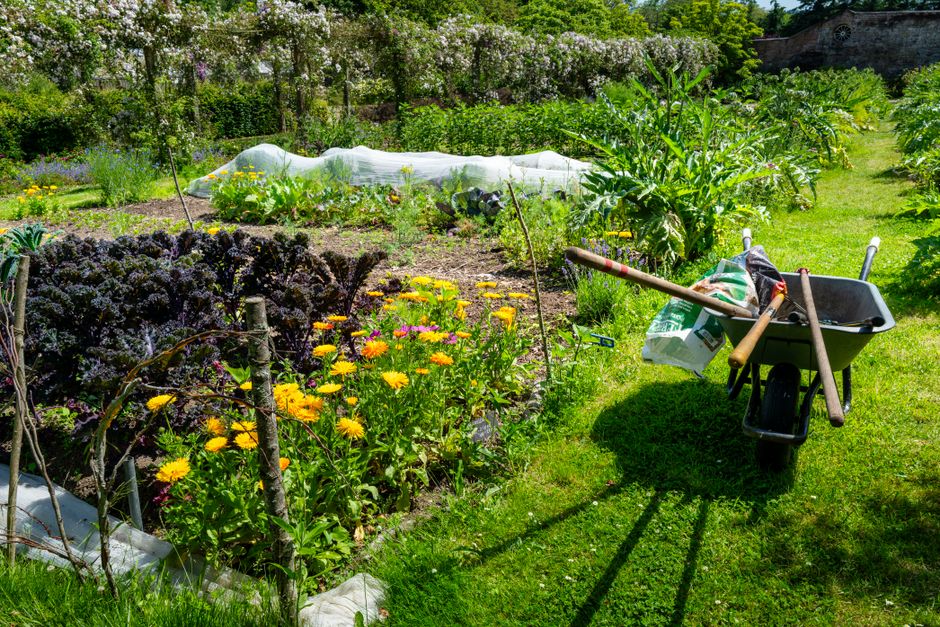
Companion Planting: Marigolds as Natural Pest Deterrents
Companion planting is a gardening practice that involves placing different plant species in proximity for mutual benefit. Among the many combinations that gardeners explore, the pairing of marigolds with vegetables such as tomatoes has gained considerable attention. This approach is often discussed in the context of natural pest management, where certain plants are believed to influence the presence of insects and other organisms in the garden. While the mechanisms behind these interactions are not always fully understood, observational and research-based insights offer perspectives on how marigolds might contribute to a garden ecosystem.
This article examines the potential role of marigolds as natural pest deterrents within a companion planting framework. It considers the characteristics of marigolds that may influence insect behavior, the ways in which they can be integrated into vegetable gardens, and the broader considerations that gardeners should keep in mind. The goal is to provide an informative overview that helps gardeners make informed choices based on their specific conditions and goals.
Understanding Companion Planting and Pest Management
Companion planting is rooted in the observation that certain plant combinations may support each other’s growth or reduce pest pressures. In practice, this approach involves strategic placement of plants to maximize potential benefits while minimizing competition for resources. When it comes to pest management, companion plants may act in several ways: they might emit odors that confuse or repel pests, attract beneficial insects that prey on pests, or serve as trap crops that lure pests away from primary crops. The effectiveness of these mechanisms can vary depending on the specific plants, the pests involved, and environmental conditions.
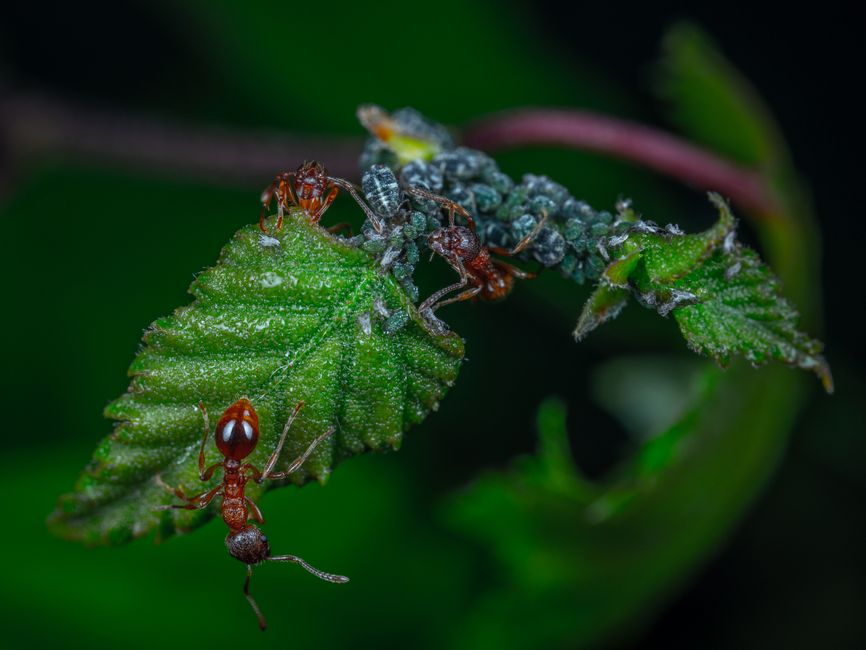
In the context of tomato cultivation, common pests include aphids, whiteflies, and nematodes, which can damage plants and reduce yields. Gardeners often seek ways to manage these pests without relying solely on synthetic pesticides. Companion planting with marigolds is frequently mentioned as a possible strategy. To evaluate this approach, it is useful to consider the properties of marigolds and the evidence available.
The Role of Marigolds in Deterring Pests
Marigolds (Tagetes spp.) are annual flowering plants known for their bright colors and distinctive scent. Their potential as pest deterrents is often attributed to compounds they produce, such as thiophenes and other secondary metabolites. These compounds are released into the soil or the air and may have repellent or toxic effects on certain organisms. For example, certain marigold varieties are studied for their ability to suppress root-knot nematodes, which are microscopic worms that attack plant roots. Research suggests that chemicals exuded by marigold roots can affect nematode behavior or survival, but the degree of effectiveness depends on factors like marigold species, soil conditions, and nematode populations.
In terms of above-ground pests, the strong fragrance of marigolds is thought to mask the scent of host plants like tomatoes, making it harder for insects to locate them. Some gardeners also observe reduced pest pressure when marigolds are interplanted. However, scientific evidence is mixed, and results may vary. For instance, certain studies have found that marigolds can attract beneficial insects that feed on pests, while other research indicates limited effects. Therefore, marigolds should be viewed as one component of a diversified pest management approach rather than a standalone solution.
Integrating Marigolds into the Vegetable Garden
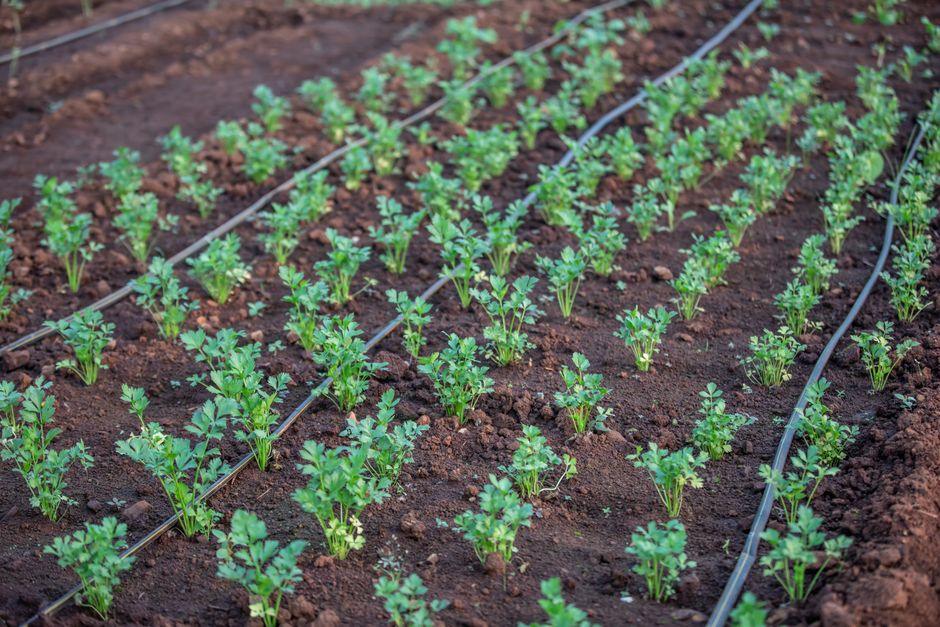
When planning a garden that includes marigolds as companion plants, several factors come into play. The spatial arrangement should allow for adequate sunlight, water, and nutrients for all plants. Marigolds generally prefer full sun and well-drained soil, making them compatible with tomatoes that have similar requirements. They can be planted in borders, between rows, or interspersed among tomato plants. Considerations such as plant height and growth habit may affect air circulation and access for harvesting.
The timing of planting is also important. Starting marigolds from seed or transplanting young plants at the same time as tomatoes ensures that they are established and releasing any chemical compounds when pest activity typically increases. Additionally, choosing the right marigold variety matters. African marigolds (Tagetes erecta) and French marigolds (Tagetes patula) are common choices, and some gardeners report better results with specific types. However, local growing conditions and pest pressures should guide selection.
Beyond pest deterrent properties, marigolds can contribute to garden aesthetics by adding vibrant colors. This visual appeal is often an additional reason for their use. In planning, it is beneficial to consider that marigolds are annuals and may need to be replaced each season. Their presence can also support pollinators and other beneficial insects if allowed to flower.
Practical Considerations and Best Practices
To incorporate marigolds effectively, it is helpful to follow certain practices. Soil preparation that includes organic matter supports the health of both marigolds and vegetables. Regular monitoring of pest populations allows gardeners to assess whether intervention is needed. While marigolds may reduce certain pest numbers, they do not guarantee immunity. Therefore, it is sensible to integrate other cultural practices such as crop rotation, proper watering, and the encouragement of natural predators.
It is also important to recognize that the presence of marigolds may not affect all pests equally. For example, they may have more impact on soil-dwelling organisms than on flying insects. Gardeners might consider combining marigolds with other companion plants or barriers to address a broader range of issues. In the event of severe pest outbreaks, additional measures may be necessary, but these should be chosen with care to avoid disrupting the garden ecosystem.
When planning the garden layout, keep in mind that marigolds can be used as a colorful border or filler. They might also be planted near other crops in the nightshade family, such as peppers and eggplants, which share similar pest concerns. Experimental planting and observation can help refine approaches based on specific garden conditions.
Additional Benefits and Aesthetic Appeal
Beyond pest deterrent functions, marigolds bring several other advantages to the garden. Their bright yellow, orange, and red blooms can enhance the visual landscape, creating a more inviting space. This aesthetic quality is often appreciated by gardeners who enjoy both functionality and beauty. Moreover, marigolds are relatively easy to grow from seed, making them an accessible option for many.
Marigolds may also support beneficial insects such as pollinators and parasitic wasps, which can aid in controlling pest populations indirectly. By providing nectar and shelter, they contribute to a more diverse and resilient garden ecosystem. Additionally, the roots of marigolds produce allelopathic compounds that can inhibit the growth of certain weeds, though this effect is not comprehensive. This natural weed suppression can reduce the need for manual weeding, although careful management is still required.
In terms of maintenance, removing spent flowers (deadheading) can promote continuous blooming, extending the period of visual and potential ecological benefits. At the end of the growing season, marigold plants can be composted, returning organic matter to the soil. However, if there is concern about plant diseases, it is prudent to avoid composting diseased material.
Conclusion
In summary, marigolds are a versatile addition to vegetable gardens, offering potential benefits in natural pest management and aesthetic charm. Their role in companion planting with tomatoes and other crops is supported by some evidence and many gardeners’ experiences, but outcomes depend on multiple factors. Understanding these factors can help gardeners make informed decisions about integrating marigolds into their own gardens.
As with any gardening practice, it is essential to approach companion planting with realistic expectations and observation. Marigolds may contribute to a healthier garden balance, but they are not a guaranteed solution against pests. Combining them with good cultural practices and continued learning will enhance the overall gardening experience.