01
Soil Preparation and Assessment
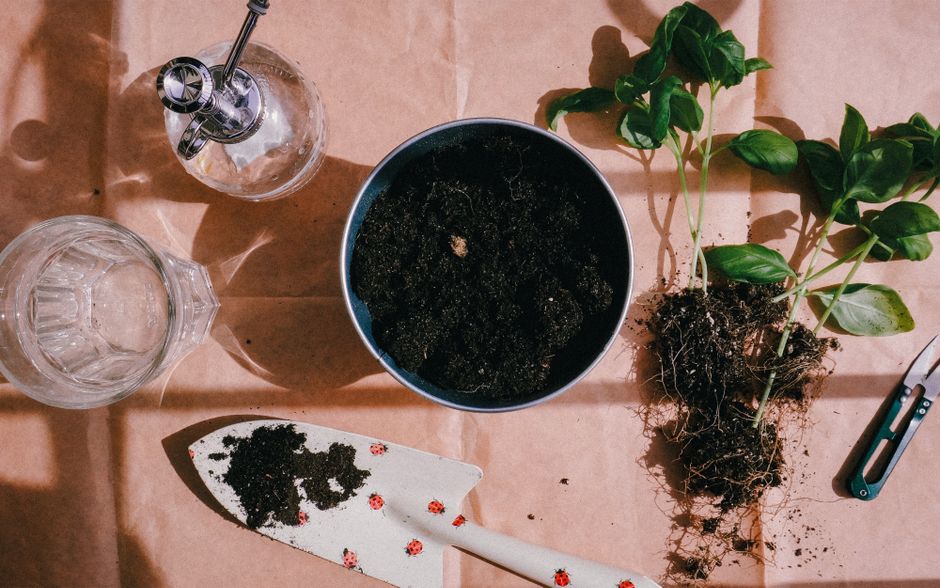
Before planting, we describe methods to assess soil type, drainage, and nutrient levels through simple tests.
Whether you are planting a first vegetable bed, setting a watering schedule, or looking for ways to manage pests, the path becomes simpler when you follow a clear sequence. This page presents a learning-oriented framework designed for beginners, helping you organize your gardening tasks into three logical phases: planting, watering, and pest control. Each step is broken down into practical action points and placed in a sensible order—from soil preparation and seed placement to moisture planning and basic inspection routines. You will find our educational illustrations useful as self-directed references: they introduce general principles that you can adapt to your local climate varieties, available resources, and personal level of comfort. We do not proclaim that these materials will bring a consistent single result from garden year to garden year; We invite you to try these structured outlines and adjust each approach as necessary within the fully healthy boundaries of your own experience
Before planting, we describe methods to assess soil type, drainage, and nutrient levels through simple tests.
We outline recommended planting depths, spacing routines, and initial watering practices to help establish root structure.
We illustrate typical watering frequency based on weather patterns, emphasizing drip or targeted watering to lower waste.
Strategies range from routine plant checks and consistent inspections to sample control choices, depending on local factors.
This step-by-step guide is built on established agronomic principles, offering a flexible framework that you can adapt to your specific garden conditions. While the instructions provide a clear pathway for planting, watering, and pest management, they are intended for educational purposes and should be approached as informational tools. They do not substitute for professional advice tailored to your unique circumstances. We encourage you to consider local climate, soil, and plant varieties as you explore each step, ensuring that adjustments are made thoughtfully and in context with your gardening goals.
GreenSprout Advisors provides clear, practical gardening guidance rooted in agronomy expertise. We create step-by-step content that breaks down complex processes into manageable, easy-to-understand steps focused on planting, watering, and pest control. Our educational materials describe methods and frameworks, helping beginners grasp the fundamentals of plant care. The transparent, process-oriented style of our resources intends to clarify common pathways, yet actual outcomes remain contextual and may vary with weather, soil conditions, and individual circumstances. As part of our commitment to neutrality and practicality, we aim to supply reliable background information without offering definitive advice – the interpretive and application responsibilities rest with readers, dependent on multifactorial determinants of outcome.
This step-by-step method provides an introduction to planting, watering, and pest management. Results may differ depending on regional conditions, specific plant varieties, and seasonal changes. We recommend applying general gardening principles to your local environment and adapting them individually. Further advancements may require more context-based study, additional sources, or guidance from local institutions and professionals with recognized credentials. Please verify specifics with current, reliable material as additional questions or unfamiliar notes arise. This blog does not define responsibility for cultivation outcomes.